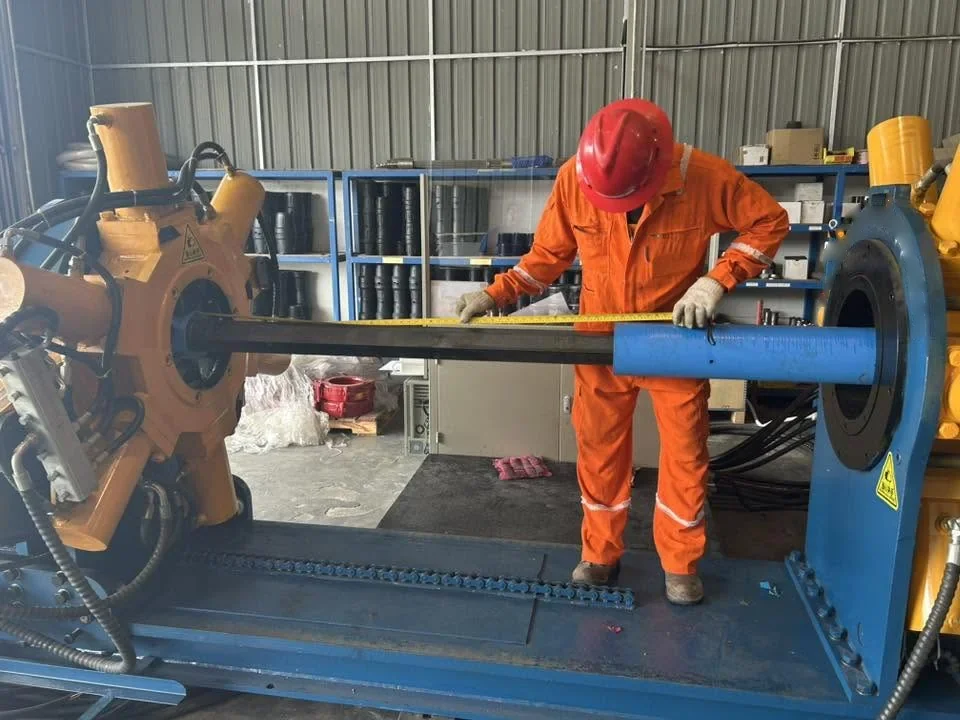


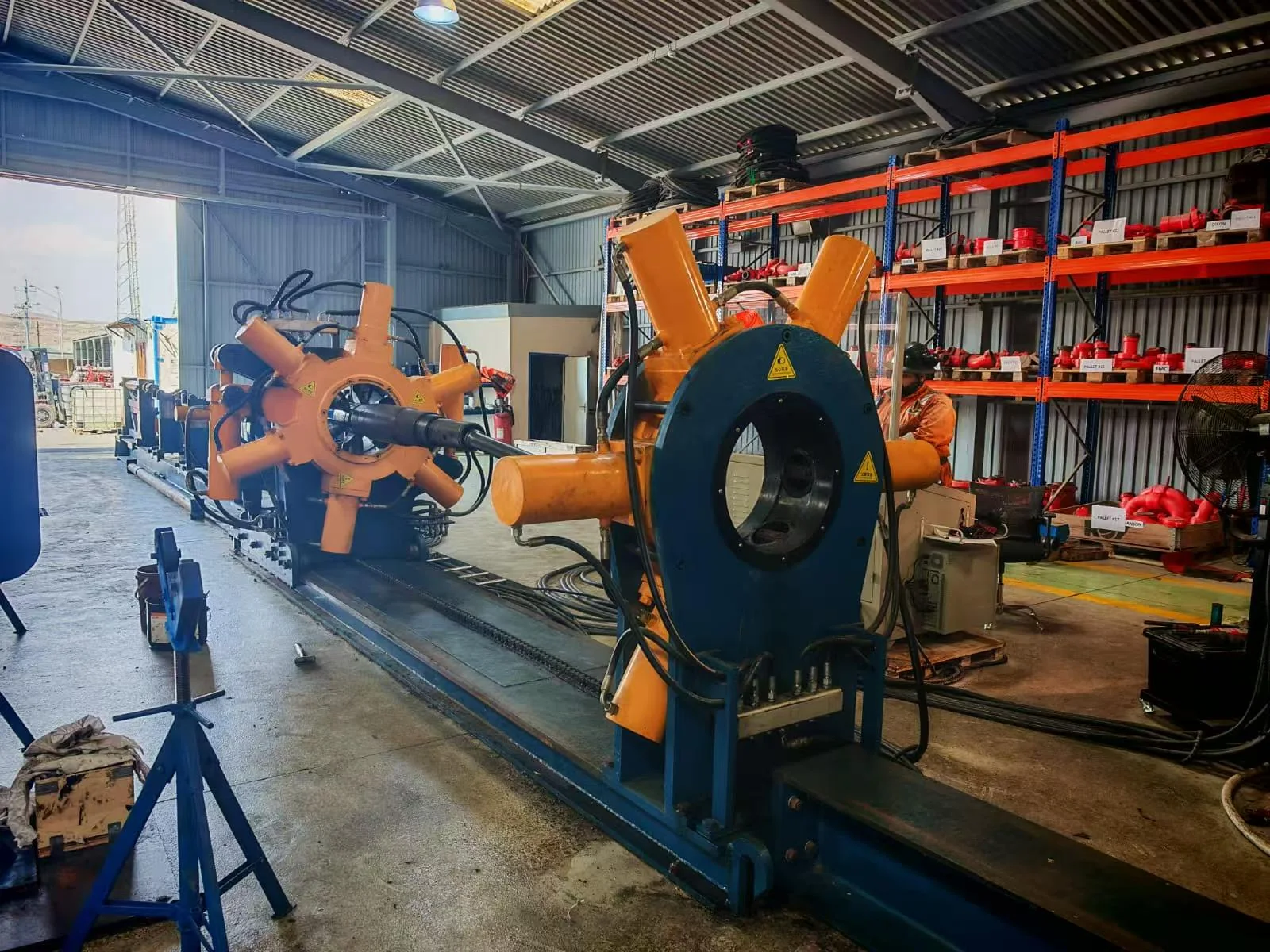
Make-up and break-out in a service workshop
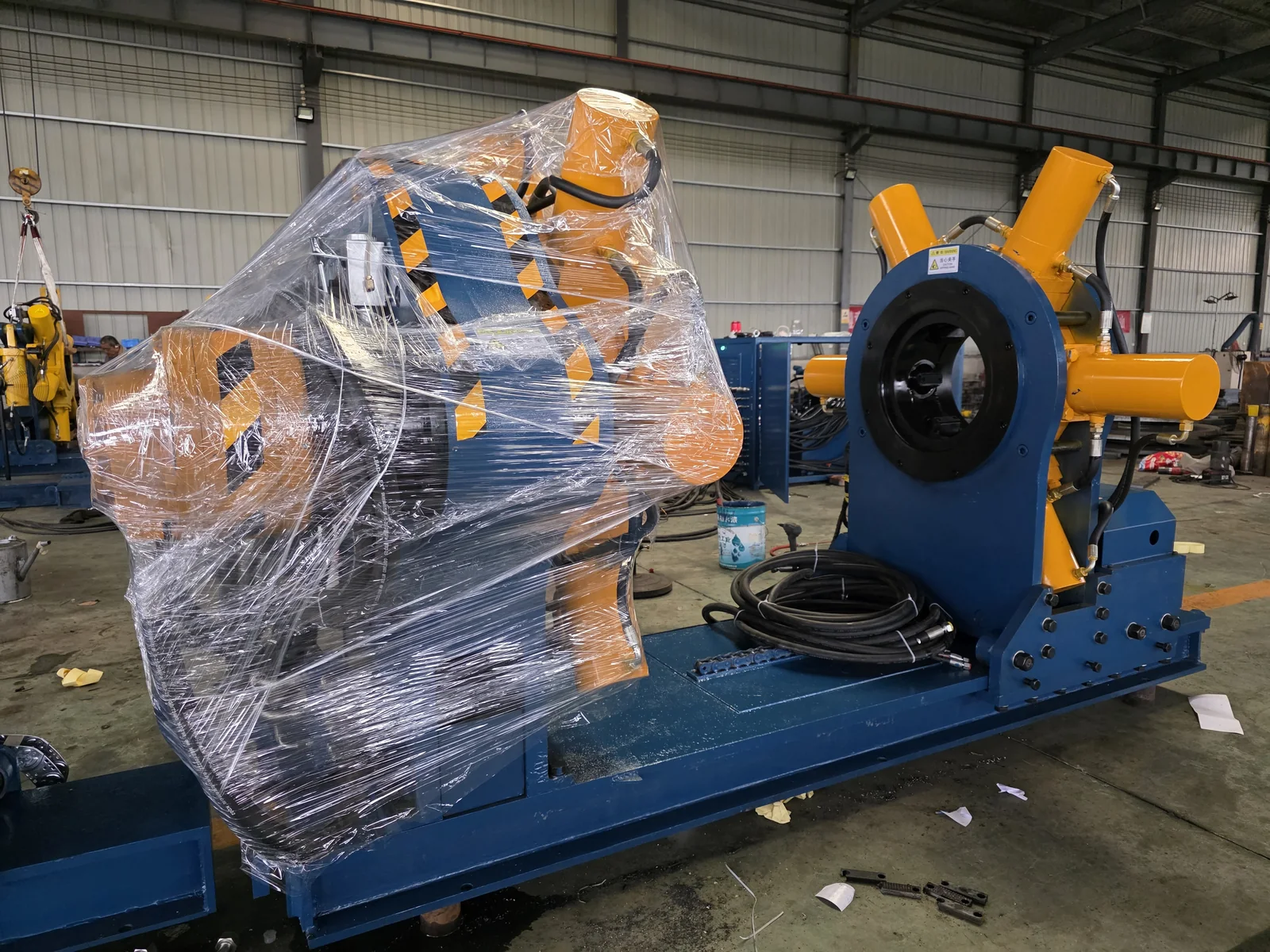
A hydraulic breakout unit, often called a breakout machine, is a make-up/break-out machine for threaded oilfield tools. Its clamps hold the two parts of an assembly while the main mechanism applies torque. The spinner handles the longer threaded travel after a joint is loosened, or during run-in before final make-up. Each function has its own rating.
Zhuorui breakout units are used for downhole-tool repair, mud motor servicing and repeated make-and-break work. Some jobs also need axial support or a push/pull arrangement for rotor and stator handling. Send the tool drawings and service sequence so we can check the torque, clamping and handling together.
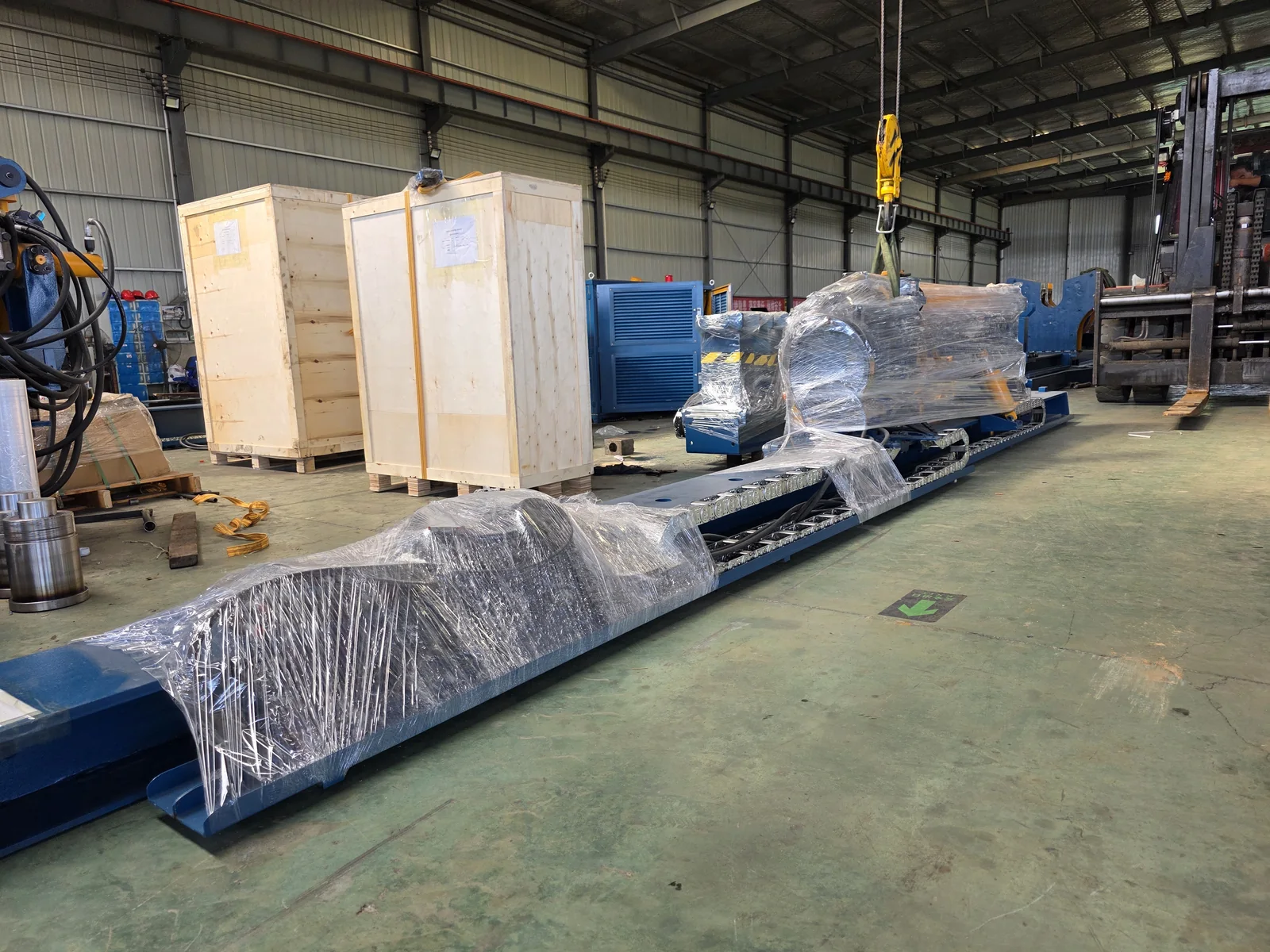
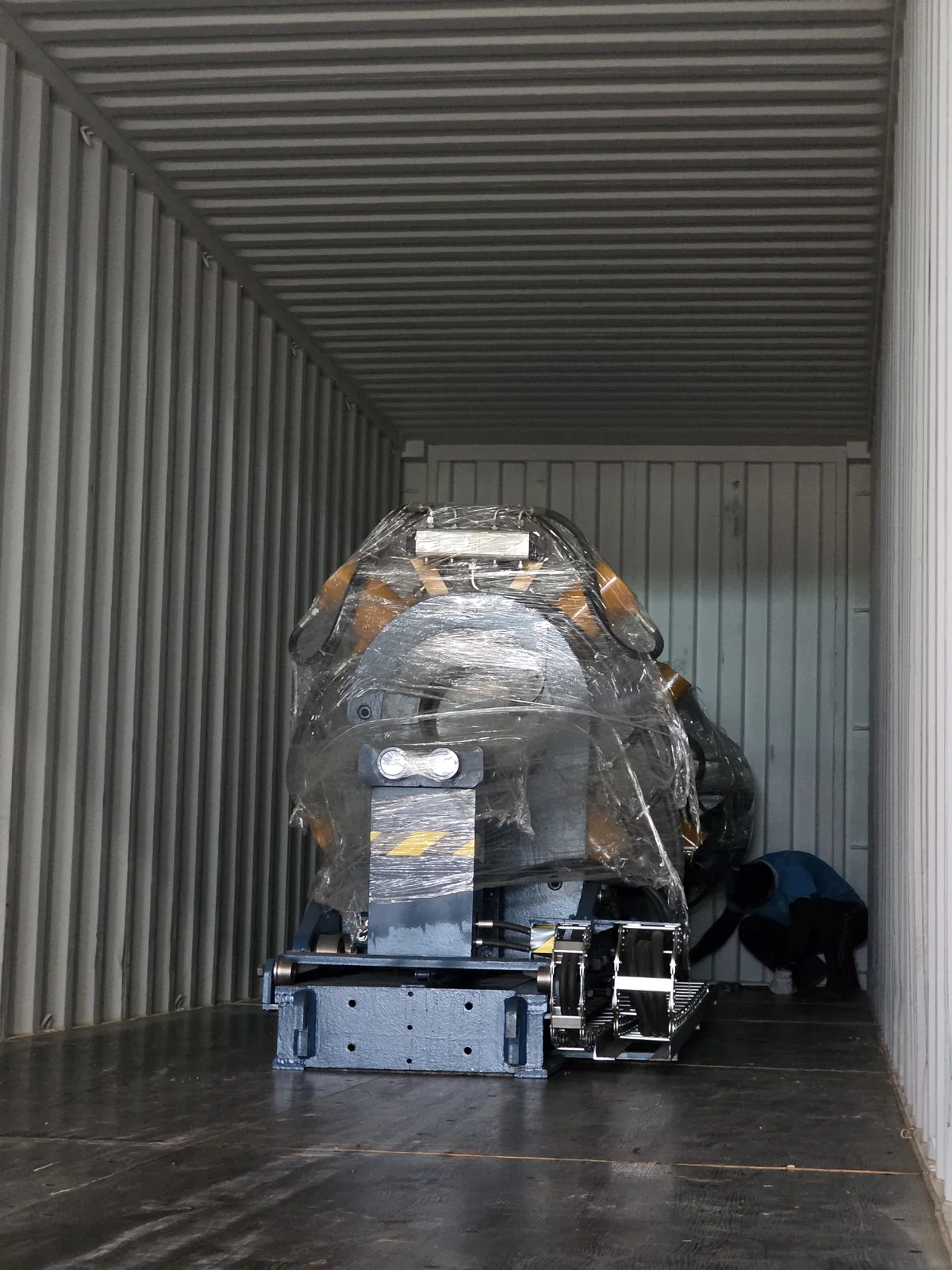
We manufacture these workshop machines at the Zhuorui plant in Pingyuan, Dezhou. Dezhou Zhuorui Petroleum Machinery Co., Ltd. was established in 2011. The order defines the breakout unit, tooling and handling package, together with the delivery documents and support scope.
Bucking unit or breakout unit?
Both machines can make up and break out connections. Compare the drive, measured data and handling arrangement, rather than treating the names as opposite operations.
| Compare | Continuous-rotation bucking unit | Hydraulic breakout unit |
|---|---|---|
| Drive arrangement | A powered head turns continuously through 360° under torque. | High-torque wrenching and lower-torque thread spinning are separate functions. |
| Speed rating | Reference operating speed: 0.5-6 rpm for controlled make-up. | Spinner speed: up to 100 rpm. This is not the speed at maximum break-out torque. |
| Measured record | Torque against turns; shoulder and post-shoulder analysis with the specified package. | Target and executed torque, a torque-time curve and a connection summary. |
| Typical workshop work | Casing, tubing, coupling and connections requiring torque-turn acceptance. | Mud motor and downhole-tool disassembly, repair and reassembly. |
DZZR breakout unit specifications and torque ratings
The DZZR-V3510, V3515A, V3515C and V3518 models have separate make-up, break-out and spinner ratings. The V3518 table entry lists 199,000 ft-lb break-out torque and 4,000 ft-lb spinner torque. Compare the head and backup sizes with the places your tools can actually be gripped.
Specifications reviewed 12 September 2026.
What to check on the machine
High-torque break-out and thread spinning
Releasing a tight joint and spinning a loose thread are different jobs. Check the main break-out capacity for the first stage and the spinner’s torque and speed for the threaded travel that follows.
Head and backup gripping
The jaw arrangement depends on the diameter, contact length and surface of each gripping point. Tool shoulders and changes in diameter can limit where the clamps sit. A drawing of the complete assembly helps us check both ends.
Tool support and push/pull options
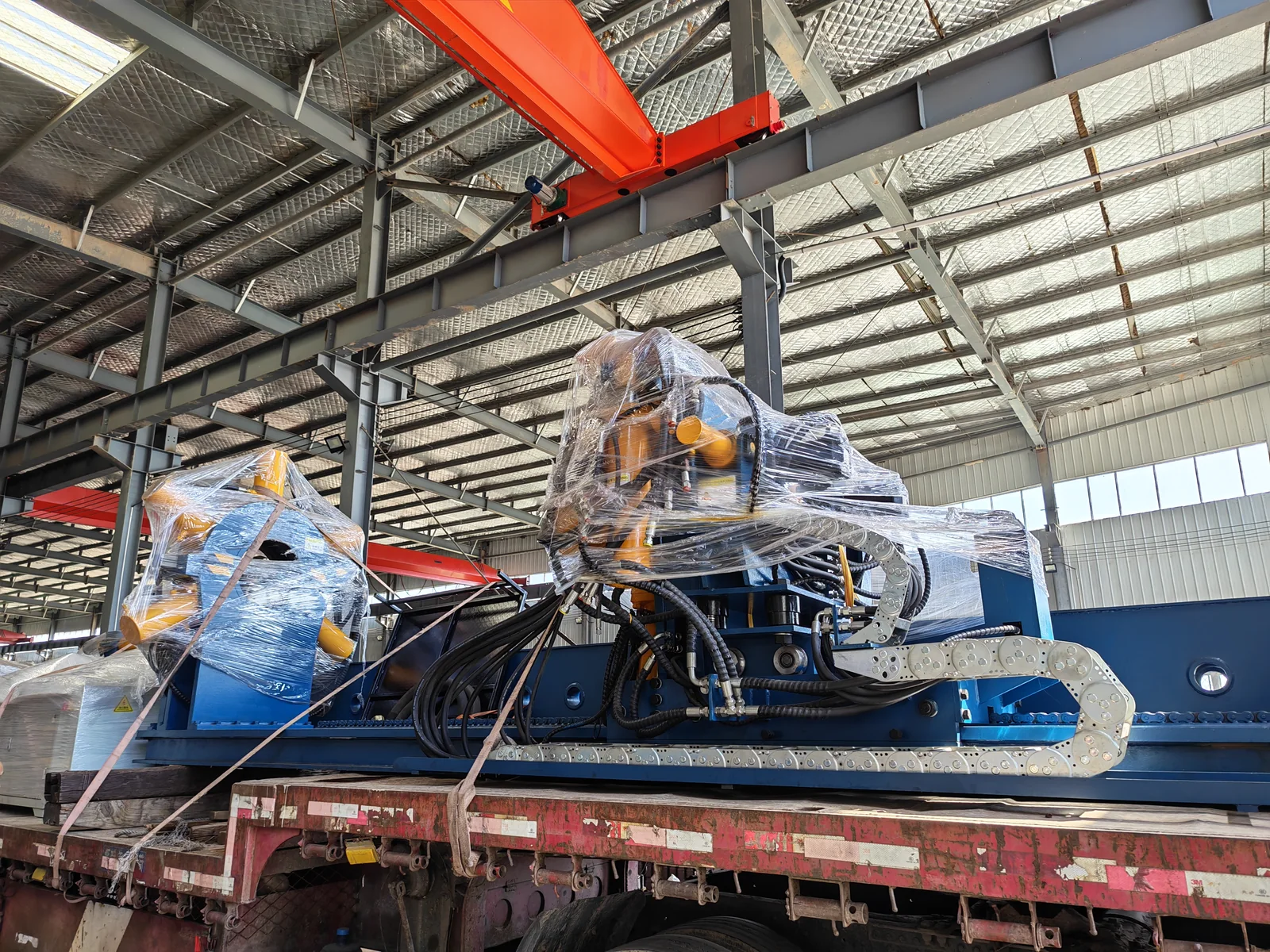
Support jacks and extension beams carry the tool along the bed. Where rotor or stator service requires axial movement, the push/pull option must have the stroke and force required for that component.
Torque display and job records
The torque display supports checks of target, live and peak values. The service report records target and executed torque for each connection, with a torque-time curve. Its time axis is not a turn-count measurement.
Tool dimensions and machine requirements
Use the following points to check the proposed configuration. The quotation should identify the ratings, instruments and handling options supplied with your breakout unit.
| Parameter | What to consider |
|---|---|
| Working principle | Hydraulic gripping and torque application, with spinning for threaded travel. |
| Connection duty | Specify required make-up torque and expected break-out demand as separate values. |
| Spinner selection | Agree spinner speed and torque separately from the main torque mechanism. |
| Gripping geometry | Check both heads against each component’s OD and usable gripping length. |
| Axial handling | Push/pull stroke, push force and pull force are distinct configuration parameters. |
| Measurement units | Torque in N·m or ft-lb; axial force in kN; stroke in mm. |
Planning tool assembly or teardown
- 01
Identify the service work
List the connections to be opened or assembled, the condition of the tool and its dimensions. Use the approved service procedure to define the work.
- 02
Check gripping and support
Match the jaws and supports to the available clamping areas, tool length and access needed at each connection.
- 03
Follow the torque and spinning sequence
The operator follows the approved sequence for the tool while watching the connection and the fitted torque display.
- 04
Save the service record
Review the measured result and record which tool and connection it belongs to. Keep the report with the inspection and repair documents.
This is a description of the service work to plan for. Machine settings and acceptance limits come from the approved equipment instructions and tool procedure.
Mud motor servicing and downhole-tool repair
Mud motor service workshops
Assemble and dismantle mud motor connections. Select the supports and any axial handling option needed for the rotor and stator work.
Downhole tool repair
Service tool assemblies, crossovers and other threaded components within the confirmed gripping and torque range.
Tubular and component servicing
Handle threaded tubulars that need controlled gripping, separate torque stages and a record of the workshop operation.
Breakout torque display and job reports
The breakout unit has its own torque-control and recording system. The operator checks live torque, peak torque, the target value and elapsed time. Job fields identify the operator, tool, model and connection being worked on.
The report below shows a mud motor make-up record from the breakout equipment reference. Its summary lists target and executed torque for each connection; the individual joint page plots torque against time. These are service records, with different measurements from the bucking unit’s torque-turn and shoulder analysis.

Open report image ↗
Match the controls to the service procedure
Specify the torque display, required stop function and report format in the equipment order. Confirm how the operator starts, stops and resets each cycle during the machine handover. A screenshot of a report does not establish the control sequence for every model.
Keep disassembly and reassembly records separate. A make-up target is not the torque needed to release a used connection. For work that requires turn counts, shoulder detection or premium-connection torque-turn acceptance, review the bucking unit’s measurement package.
Read the workshop records guide →Breakout unit questions
Can a breakout unit also make up connections?
Yes. These units support assembly as well as disassembly. Check the make-up, break-out and spinner ratings individually for the selected model.
When is a bucking unit a better fit?
Compare the bucking unit with torque-turn monitoring when continuous rotation and connection assessment are central to the work. For teardown, short gripping areas or axial tool handling, compare the breakout unit’s actual layout and options. The names overlap across suppliers, so check what each quoted machine includes.
Is the breakout report the same as a torque-turn report?
No. The breakout report shown here lists target and executed torque and plots torque against time. It does not provide turn counts or shoulder detection. Choose the corresponding bucking-unit measurement package when the connection procedure requires torque-turn acceptance.
What do you need to quote a breakout unit?
Send the tool drawings, dimensions at both gripping points, required torque duties, and component length and weight. Include any push/pull work, available utilities and required reports.
Why is spinner torque lower than break-out torque?
The main mechanism supplies the torque needed to release a tight connection. Once it is loose, the spinner handles repeated turns at a different torque and speed. For example, the DZZR-V3518 reference lists 199,000 ft-lb for break-out and 4,000 ft-lb for spinning. These are different duties, not interchangeable capacities.
Can a breakout unit help with mud motor rotor and stator servicing?
It can handle threaded connection assembly and teardown within its confirmed capacity. If the repair sequence also needs axial movement, specify the push/pull option, stroke and required forces. Rotor/stator handling is a separate part of the scope and should be checked against the component drawings.
What affects the price of a hydraulic breakout unit?
Model size, torque requirements, jaw sets, bed and support length, push/pull equipment and recording controls all affect the quotation. List the tools and required service operations in the breakout unit enquiry form. We can then identify the base machine and the options needed for those jobs.